Publications

Explore articles, jobs, talks, news, privacy,...

Learn about dark patterns, fair patterns and much more

Willing to dig further on dark patterns? Here are curated resources, including hundreds of publications we analyzed in our R&D Lab, conferences, webinars and job opportunities to fight dark patterns.

Shun Hidaka, Sota Kobuki, Mizuki Watanabe, Katie Seaborn

In a study of 200 popular Japanese mobile apps, we discovered that most of them employed dark patterns, averaging 3.9 per app. Notably, we identified a new class of dark patterns called "Linguistic Dead-Ends," such as "Untranslation" and "Alphabet Soup." These findings emphasize the need for culturally sensitive design standards and further research on dark patterns in cross-cultural contexts.
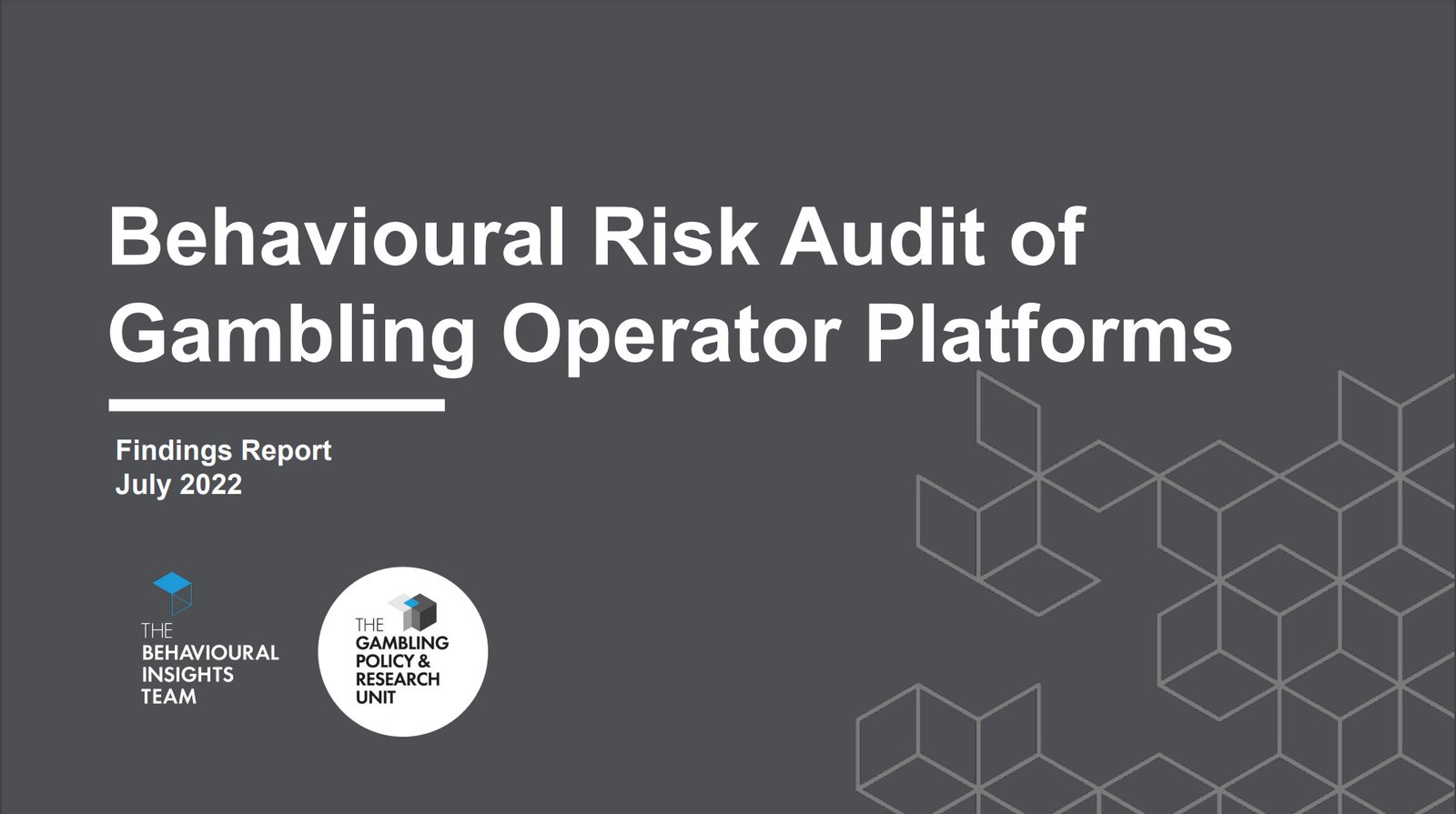
BIT's Gambling Policy & Research Unit conducted a study on 10 gambling and betting operator websites in March-April 2022. Key findings reveal issues such as longer account closure times compared to account opening, challenges in setting deposit limits, minimum balances required for withdrawals, lack of customer feedback on gambling habits, and suboptimal default settings. Behavioral Risk Audits serve as essential tools to examine online markets, offering insights into consumer experiences and market dynamics for policymakers and industry participants.

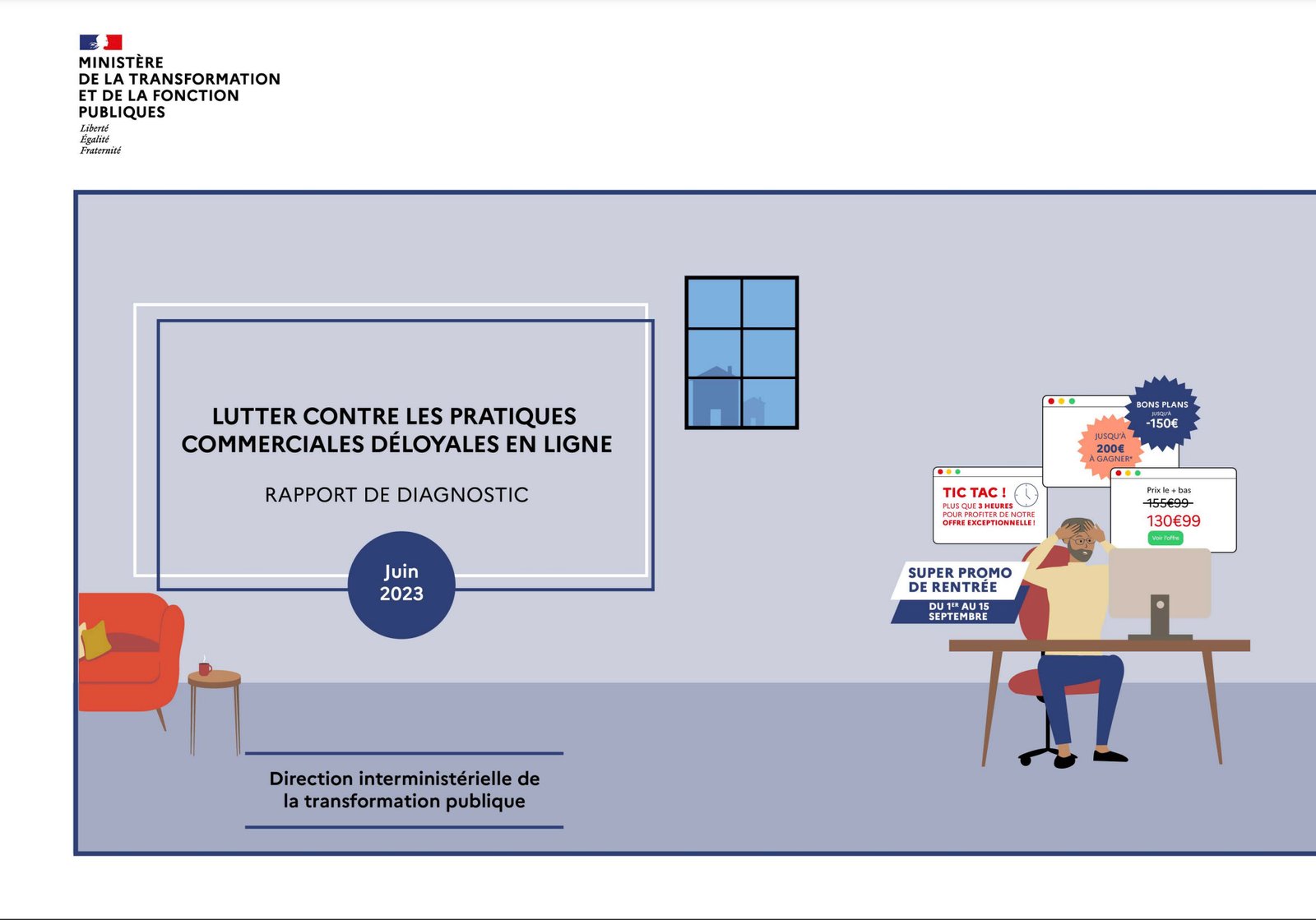
A study by the European Commission revealed that dark patterns are common on popular websites, and a survey of mobile apps confirmed this trend. These deceptive practices have a significant impact on consumer decisions, often prompting them to make purchases. Consumer protection authorities, such as the DGCCRF in France, take legal action against companies using these dark patterns, but there are currently few tools to identify and sanction them.

Zhiping Zhang, Michelle Jia, Hao-Ping (Hank) Lee, Bingsheng Yao, Sauvik Das, Ada Lerner, Dakuo Wang, Tianshi Li

LLM-based conversational agents like ChatGPT are being used in high-stakes domains, but this exposes users to privacy risks, including data breaches and the memorization of personal information. This study focuses on user behavior and perceptions, highlighting the need for privacy-preserving techniques and improved user awareness.

Ivana Rakovic, Yavuz Inal

This study investigates how financial technology companies employ dark patterns to influence investors' decisions. We analyzed 26 mobile apps in Norway for stocks, funds, and cryptocurrencies, aiming to identify unethical design strategies. Most apps, to varying degrees, incorporate dark patterns. Banks prioritize user data protection, while non-bank fintechs employ more deceptive practices to manipulate user behavior and interaction.

Colin M. Gray, Nataliia Bielova, Cristiana Santos, Thomas Mildner

In a digital age marked by deceptive design practices, our paper delves into the world of 'dark patterns'—strategies that extract profit, harvest data, and limit consumer choice. We recognize that the absence of universally accepted definitions across academic, legislative, and regulatory spaces hinders meaningful action. Our work aims to establish a common language by harmonizing existing taxonomies and proposing a three-level framework with standardized definitions for 64 dark pattern types. This framework empowers us to advance research and regulatory efforts, fostering transparency and ethical design across digital domains.

Colin M. Gray, Nataliia Bielova, Thomas Mildner

The paper delves into the realm of dark patterns within digital systems, utilizing Amazon Prime's 'Iliad Flow' as a case study. Additionally, it introduces the 'Temporal Analysis of Dark Patterns' (TADP) methodology to investigate how these deceptive design tactics influence user journeys. TADP takes into account individual dark patterns, their cumulative effects, and the implications for detection.

Our clients